


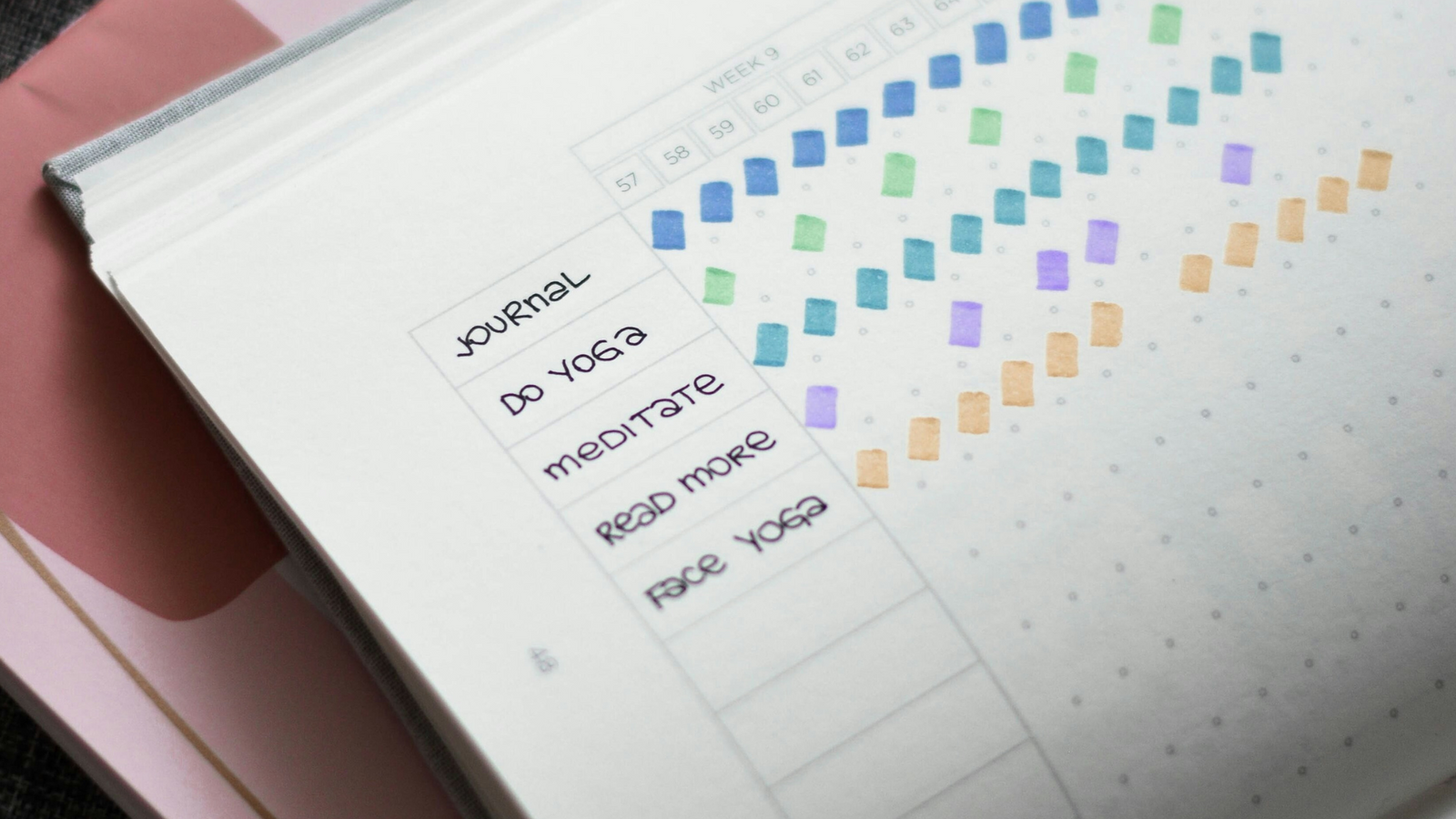

This article first appeared in the Weekly Bujo Newsletter.
We're told that good habits are the key to success, health, and happiness. The trick is by automating the right behaviors, you'll become your best self effortlessly. Sounds great in theory. In practice, optimizing for automation collides with a far more important quality: presence.
Taking an honest look at my life, almost all of my automatic behaviors were/are destructive. Smoking, drinking, eating, snacking, binge watching, doomscrolling, etc. Most of these behaviors are fear or stress responses. They’re designed to take me away from the present moment. They rarely offer anything in return other than temporary distraction.
Think about it. When was the last time you felt truly fulfilled after zoning out? Chances are, you just keep pressing pause on a problem without even realizing it. Of course whatever you were avoiding is still waiting for you, more urgent and overwhelming than before.
What if we've got it all backward? What if the behaviors that truly enrich our lives aren't the ones we can put on autopilot, but the ones that demand our full attention? For me, it's the moments of deep focus - whether I'm writing, having a heartfelt conversation, or even simply savoring a meal - that bring me the most satisfaction and growth.
One could say that most of the good habits we desire are actually the desire to break bad habits. You want to form a movement habit to break your couch habit. You want to form a habit of eating well, because you habitually don’t. So rather than fighting fire with fire, why don’t we go in the opposite direction?
In my latest video, I explore how we can dissolve bad habits and create sustainable meaningful systems for behavior change through the concept of Ritual. I hope it can serve you.



Nicole
May 28, 2026
We could say that rather than it being a mindless habit, we should be reframing it action as a mindful ritual. When you showed your morning ritual circle I could not help but notice that they are all “habits”……moving from one task to the next……but rather than seeing it as just another task or dare I say – chore you have reframed the process into something to be more meaningful. The actions aren’t different, we just need to remind ourselves to look at them from a different perspective. I am going to work on how I can reframe my “habits” into rituals this week.